

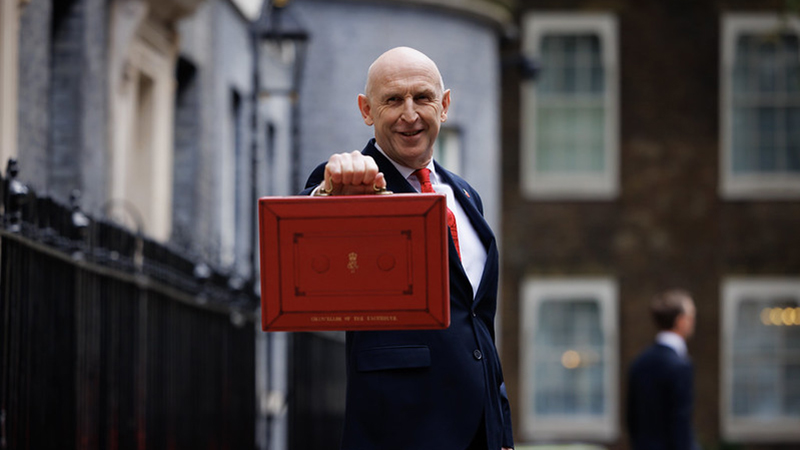









John Healey’s first Budget as UK chancellor has resulted in a cautiously optimistic reaction from UK gilt markets, with gilts outperforming US Treasuries by five basis points at the time of writing (28 October 2026).
Healey offered few surprises, maintaining the fiscal discipline established by Rachel Reeves and keeping around £15bn of headroom, while targeting net debt below 83% of GDP.
The markets rallied in the hours before the Budget, but did not react while it continued, suggesting Healey’s policies had already been priced-in.
James Bilson, global fixed income strategist at Schroders, said: “The UK Budget was uneventful – and this is exactly what the bond market wanted to see.
“The new chancellor inherited from his predecessor among the tightest – and therefore most bond-friendly – fiscal policy plans of any G10 nation for the next few years, and the key question was to what degree he would choose to deviate from this course.
“The answer, on a macro level, was not much. He stuck relatively closely to that prior path and that is ultimately a gilt-friendly outcome.”
Craig Veysey, portfolio manager of the Guinness Global Dynamic Bond fund, agreed this was “the boring Budget that bond markets demanded after a particularly challenging period for gilts”.
“There were no large unfunded giveaways, which is exactly what gilt investors had hoped for. Healey started on the right track by setting out the constraints: elevated energy and gas prices, their impact on inflation, and the extra cost of government borrowing through higher interest payments. In doing so, he set out his stall for a cautious Budget.
“Gilts have rallied since, with the 10-year yield at 5.31% at 2pm. To put that in perspective, it is only around 20bp below this month’s peak, which was the highest level since 2007. By comparison, the US 10-year has fallen around 40bp from the multi-decade highs it reached a few weeks ago.”
Looking ahead, the gilt remit, usually expected before the end of the tax year, is now considered the more important market event by analysts. According to Rathbones’ head of fixed income Bryn Jones: “Greater Treasury bill issuance and less long-dated gilt supply would reduce the amount of duration being pushed into the market and, at the margin, should be supportive for the long end.
“Conversely, any larger-than-expected borrowing requirement or heavier conventional long-duration issuance could quickly reverse the initial reaction.”